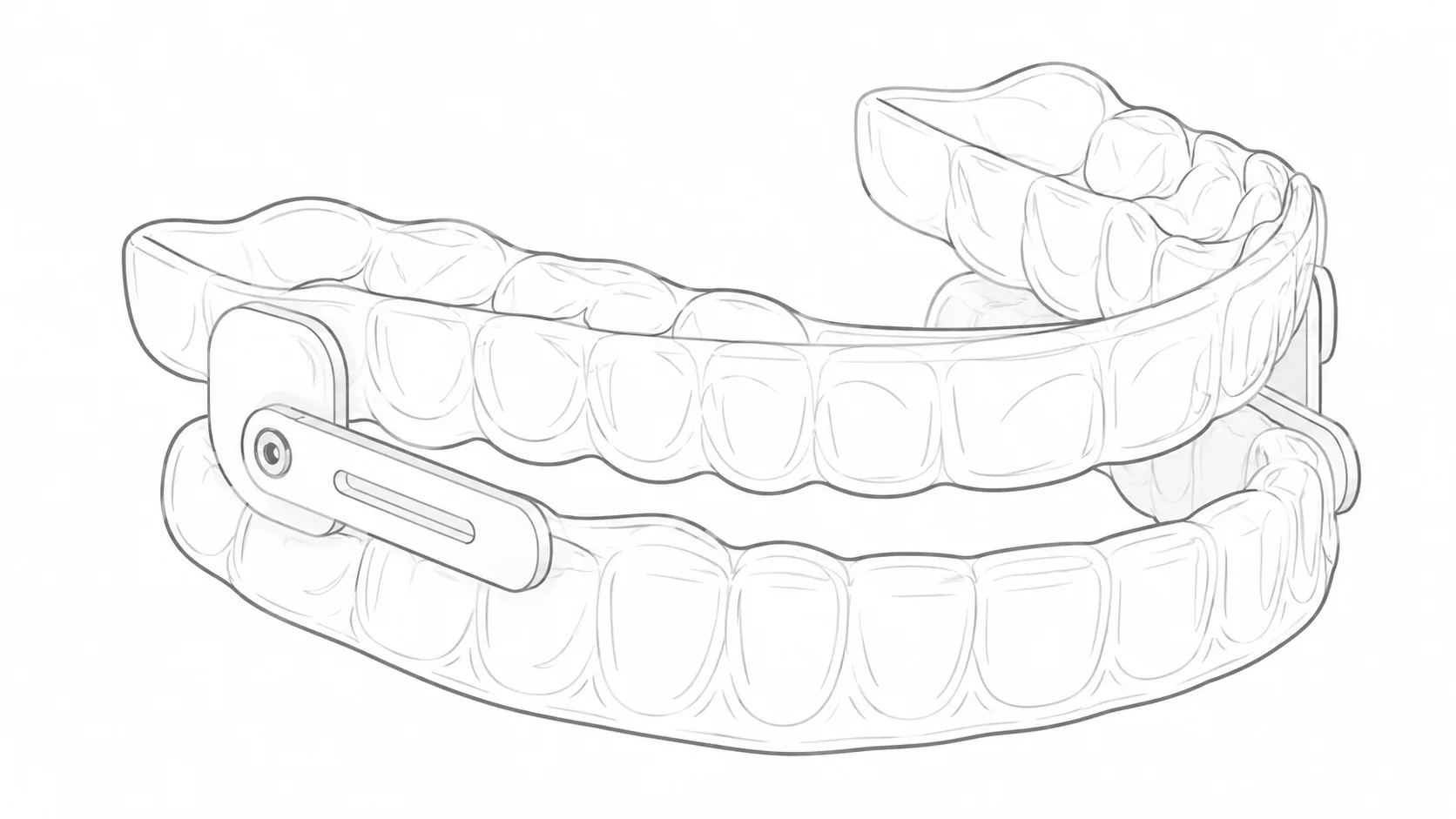
What to Expect During MAD Treatment
Getting started with oral appliance therapy involves more than simply selecting a mouthpiece. Effective treatment requires careful evaluation, personalized appliance design, and monitoring to ensure your jaw position supports breathing without creating unnecessary dental complications.
Initial Evaluation: Before beginning treatment, obstructive sleep apnea should be diagnosed by a qualified medical provider through an appropriate sleep evaluation. If you already have a sleep study, your dentist can review relevant findings and coordinate with your sleep physician. During your dental consultation, we assess your teeth, gum health, jaw function, and existing bite to determine whether your mouth can adequately support an oral appliance.
Custom Appliance Design: If oral appliance therapy is appropriate and prescribed, detailed impressions or digital scans of your teeth help guide fabrication. Your device is designed to fit securely while positioning your lower jaw forward in a controlled manner. The goal is to create an appliance that is comfortable enough for regular use while allowing adjustments when necessary.
Fitting and Adjustment: Once your appliance is ready, your dentist checks its fit and explains how to insert, remove, and maintain it. Some devices are adjusted gradually over multiple visits. These small changes, sometimes called titration, help identify a jaw position that supports breathing while minimizing discomfort.
Monitoring Your Results: Feeling less tired or hearing fewer complaints about snoring can be encouraging, but these changes alone cannot confirm that sleep apnea is adequately controlled. Your sleep physician may arrange follow-up sleep testing while you wear the appliance to measure its effectiveness. Regular dental assessments also help identify changes in your bite or jaw comfort before they become more significant.
Caring for Your Mandibular Advancement Device
Keeping your oral appliance clean is an important part of maintaining its fit, condition, and hygiene. Follow the care instructions provided for your particular device, since different materials and manufacturers may have specific cleaning requirements.
In general, remove your appliance each morning and clean it using an approved product and a soft brush. Rinse thoroughly and allow it to dry as directed before placing it in its protective storage case. Avoid exposing the device to hot water or excessive heat, which can damage certain materials and affect the fit.
Continue brushing and flossing your natural teeth daily. You should also pay attention to changes in how your teeth come together, tenderness around your jaw joints, or persistent morning discomfort. Temporary changes in your bite sensation can occur after removing an appliance, but ongoing symptoms should be discussed with your dentist.
Oral appliances are durable, but they are not permanent. Normal wear, dental changes, or damage may eventually require adjustment or replacement. Periodic examinations allow your dental team to monitor the appliance and help you maintain effective treatment over time.